

This page is for thoughts about mnemonics and Mandarin (the Chinese dialect). I knew ages ago that about 214 basic characters are used inside more complex characters; so I wanted a system where I could have a person or other object represent theose 214 'radical characters'. I learned in 2026 that there is an extra collection of subcomponent characters drawn within characters: the 'Components'. So I wanted visuals for them; and I wanted to see if the 1000 Actions system could somehow be applied to represent two brush strokes for drawing a character (since each action has a matching letter pair). Anyway, I tried to apply ideas from other lessons to the question of how to memorise both pinyin and actual Chinese characters.
Pinyin
Note: The AA-ZZ Heroes article may need a review before reading this article. It has an image for every letter pair combination like AA, AB, EF, NK, CHA, SHA [I treat CH and SH as if they are letters.]
The AA-ZZ (memory image for any letter pair) AA-ZZ Heroes article would be a nice way to visualise a lot of pinyin [letters rather than tones] - but there needs to be a rule about how the 2nd letter of an alphabet pair really means a Mandarin word ending such as 'iang'.
| AA to ZZ | Extra Endings | ||
| letter A | a | See Animal People article. | |
| letter B | ai | ||
| letter C | an | ||
| letter D | ia | 1 | uan |
| letter E | e | 2 | uai |
| letter F | ing | 3 | uang |
| letter G | ang | 4 | ueng |
| letter H | en | ||
| letter I | i | ||
| letter J | ao | ||
| letter K | ou | ||
| letter L | uo | ||
| letter M | ong | ||
| letter N | ian | ||
| letter O | o | ||
| letter P | ei | ||
| letter Q | in | ||
| letter R | iao | ||
| letter S | ui | ||
| letter T | iu | ||
| letter U | u | ||
| letter V | un | ||
| letter W | iang | ||
| letter X | ua | ||
| letter Y | ue | ||
| letter Z | ie | ||
| CH | er | ||
| SH | ü | ||
| ZH | iong |
A small number of pinyin are not covered easily by this approach [see, above, the right hand side list of spellings]. but there are a lot of endings to represent such as 'UANG'. The Animal cartoon people could extend the alphabet Heroes system leyer pairs in order to fit in the extra endings.
Expressing tones through a story
The Chinese characters have short names, generally; and so the pinyin method at the top of this article would represent an entire pinyin word but be missing the tone. I would have an imaginary scene where a person (who represents the ENglish meaning of the word) does an action to the Hero AA-ZZ person who represents the letter spelling of the the pinyin. If the action could represent the tone then that would encapsulate the whole pinyin word. So I could list 5 actions for the 4 tones and neutral tones that Mandarin uses.
Tone actions idea:
Tone 1: The person Tickles the person/object.
Tone 2: The person brushes tar on to the person/object.
Tone 3: The person prods a small T-Rex dinosaur which charges into the object.
Tone 4: The person tumbles a barrel into the person/object.
Neutral Tone: The person plugs a USB memory stick into the object.
Components
As well as the 214 radicals, there are also frequently used 'components' (many of which are not radicals). The 560 components are in the 'Modern Chinese Character Component Table'. Some of them are based on radicals and about 166 of those are 'bound': they can not be used on their own as Chinese characters. A Chinese character might be composed of a radical AND also a 'component' AND extra brush strokes. More nuance: a character is composed of components, and one of those components is designated as the radical. Even if I learn the 214 radicals of traditional Chinese, they might be drawn quite differently in popular use in China. Nevertheless, I have seen good reasons to learn the traditional characters.
I would like to have a visual for frequently used component parts of CHinese characters because then I could imagine them within 'Person does action to person/object' stories in order to memorise how to draw a Chinese character. That assumes that I already know how to draw the component part. They themselves can be imagined in their own story where they do an action on an recipient - and so I can memorise how to draw them via mnemonics also. They can be imagined saying a corresponding English word and then the pinyin for that word which they represent; and I can do the same approach for learning characters in general: the person who represents a Chinese character can say the English meaning and then say the pinyin.
The action would be treated differently with components though because they can not be assumed to have a radical as a subpart that can be visualised as an action. So it might be more practical to treat their actions as a way to state brush strokes. If an action corresponds with letter pair AB then that action would be like saying, 'Draw brush stroke A and then draw brush stroke B'. [I list brush strokes with alphabetical codings further down this article.]
I wonder if I need to rethink the 1000 words which I have planned for the Men 1000 system: maybe I should reconcile that list with a big list of Chinese component words and try to get a big overlap. It would be good if the Women 1000 system or the Men 1000 system or the picture dictionary work has a visual that I can then use for the components? I think that might be the wrong approach. Maybe it is good for a component to have its own standalone visual so that the component is not confused with the same English word when it occurs as a standalone Chinese character. They would need different drawing instructions and so probably should not be mixed in together into one visual person.
One idea is to associate each of the 366 Ancient Greece people (from the Ancient Greece article) with a component(or with words which are commnly used within characters even if they are not strictly speaking components; and certainly not radicals). I have developed a prototype list of components:
The Composition column refers in rounded brackets to the 214 kangxi radicals but square brackets refer to this very list's enumeration. Here is the same data as a text file which, if downloaded, might be easier to read. The component parts of the composition are often confusing me since the final symbol often looks unlike the component parts stuck together. I would just want a mnemonic story to involve the component parts that aid recall of how to draw the traditional character.
| Index | Traditional | Simplified | Pinyin | Meaning | Composition |
|---|---|---|---|---|---|
| 1 | 亻 | 亻 | rén | Person | v人(9) |
| 2 | 刂 | 刂 | dāo | Knife | v刀(18) |
| 3 | 𠂉 | 𠂉 | Lying person | v人(9) | |
| 4 | ⺈ | ⺈ | Knife | v刀(18) | |
| 5 | 爫 | 爫 | zhǎo | Claw | v爪(87) |
| 6 | 䒑 | 䒑 | cǎo | Grass | v艸(140) |
| 7 | 𡗗 | 𡗗 | Growth/Spring | 二(7) 人(9) 𰀢[13] | |
| 8 | 𦘒 | 𦘒 | Hand/Brush | v聿(129) | |
| 9 | 𰀉 | 𰀉 | Grass | v艸(140) | |
| 10 | 𠂇 | 𠂇 | zuǒ | Left hand | v又(29) |
| 11 | 𦥑 | 𦥑 | jù | Mortar/Hands | v臼(134) |
| 12 | 𰃦 | 𰃦 | Eye | v目(109) | |
| 13 | 𰀢 | 𰀢 | Hand | 一(1) 𠂇[10] | |
| 14 | 𡳿 | 𡳿 | zhǐ | Foot | v止(77) |
| 15 | 𠃑 | 𠃑 | xì | Enclosure | v冂(13) |
| 16 | 𡰥 | 𡰥 | Kneeling person | v人(9) | |
| 17 | 且 | 且 | qiě | Moreover | 一(1) 目(109) |
| 18 | 分 | 分 | fēn | Divide | 八(12) 刀(18) |
| 19 | 反 | 反 | fǎn | Opposite | 𠂇[10] 又(29) |
| 20 | 巴 | 巴 | bā | Crust | 巳(49) |
| 21 | 交 | 交 | jiāo | Exchange | 亠(8) 父(88) |
| 22 | 各 | 各 | gè | Each | 夂(34) 口(30) |
| 23 | 古 | 古 | gǔ | Ancient | 十(24) 口(30) |
| 24 | 令 | 令 | lìng | Command | 亠(8) 人(9) 卩(26) |
| 25 | 寺 | 寺 | sì | Temple | 土(32) 寸(41) |
| 26 | 其 | 其 | qí | That | 甘(99) 八(12) |
| 27 | 占 | 占 | zhān | Divination | 卜(25) 口(30) |
| 28 | 共 | 共 | gòng | Together | 廿(24) 八(12) |
| 29 | 成 | 成 | chéng | Finish | 戈(62) 𠂇[10] |
| 30 | 良 | 良 | liáng | Good | 丶(3) 艮(138) |
| 31 | 甫 | 甫 | fǔ | Beginning | 一(1) 用(101) 丶(3) |
| 32 | 咼 | 呙 | guō | Wry mouth | 口(30) 冂(13) 冂(13) |
| 33 | 侖 | 仑 | lún | Logic | 人(9) 一(1) 冊(13) |
| 34 | 堯 | 尧 | yáo | High | 土(32) 土(32) 土(32) 兀(10) |
| 35 | 戔 | 戋 | jiān | Small | 戈(62) 戈(62) |
| 36 | 莫 | 莫 | mò | Do not | 艹(v140) 日(72) 大(37) |
| 37 | 倉 | 仓 | cāng | Barn | 人(9) 𠃑[15] 口(30) |
| 38 | 登 | 登 | dēng | Rise | 癶(105) 豆(151) |
| 39 | 段 | 段 | duàn | Section | 𠂉[3] 丰(2) 殳(79) |
| 40 | 取 | 取 | qǔ | Take | 耳(128) 又(29) |
| 41 | 曹 | 曹 | cáo | Official | 一(1) 𦥑[11] 曰(73) |
| 42 | 付 | 付 | fù | Hand over | v人(9) 寸(41) |
| 43 | 可 | 可 | kě | Can | 丁(1) 口(30) |
| 44 | 者 | 者 | zhě | One who | 耂(125) 日(72) |
| 45 | 台 | 台 | tái | Platform | 厶(28) 口(30) |
| 46 | 必 | 必 | bì | Must | 心(61) 丿(4) |
| 47 | 此 | 此 | cǐ | This | 止(77) 匕(21) |
| 48 | 半 | 半 | bàn | Half | 丶(3) 丿(4) 十(24) |
| 49 | 並 | 并 | bìng | Combine | 䒑[6] 丷(12) 一(1) |
| 50 | 夾 | 夹 | jiā | Sandwich | 大(37) 人(9) 人(9) |
| 51 | 旬 | 旬 | xún | 10 days | 勹(20) 日(72) |
| 52 | 朱 | 朱 | zhū | Vermillion | 丿(4) 木(75) |
| 53 | 旨 | 旨 | zhǐ | Aim | 匕(21) 日(72) |
| 54 | 合 | 合 | hé | Combine | 人(9) 一(1) 口(30) |
| 55 | 因 | 因 | yīn | Cause | 囗(31) 大(37) |
| 56 | 免 | 免 | miǎn | Exempt | 𠂊[303] 口(30) 儿(10) |
| 57 | 卑 | 卑 | bēi | Inferior | 丿(4) 田(102) 十(24) |
| 58 | 卒 | 卒 | zú | Soldier | 亠(8) 从(9) 十(24) |
| 59 | 巨 | 巨 | jù | Huge | 匚(22) 工(48) |
| 60 | 岡 | 冈 | gāng | Ridge | 冂(13) 𦘒[8] |
| 61 | 奉 | 奉 | fèng | Offer | 三(1) 大(37) 𰀢[13] |
| 62 | 垂 | 垂 | chuí | Droop | 丿(4) 土(32) 艹(v140) |
| 63 | 俞 | 俞 | yú | Consent | 人(9) 一(1) 舟(137) |
| 64 | 咸 | 咸 | xián | All | 戌(62) 口(30) |
| 65 | 軍 | 军 | jūn | Army | 冖(14) 車(159) |
| 66 | 每 | 每 | měi | Every | 𠂉[3] 母(80) |
| 67 | 夬 | 夬 | guài | Decisive | 𠃍(1) 大(37) |
| 68 | 肖 | 肖 | xiào | Resemble | ⺌(42) 月(74) |
| 69 | 前 | 前 | qián | Front | 丷(12) 一(1) 舟(137) 刂[2] |
| 70 | 宣 | 宣 | xuān | Announce | 宀(40) 旦(72) |
| 71 | 巷 | 巷 | xiàng | Lane | 共[28] 己(49) |
| 72 | 相 | 相 | xiāng | Mutual | 木(75) 目(109) |
| 73 | 某 | 某 | mǒu | Certain | 甘(99) 木(75) |
| 74 | 辟 | 辟 | bì | Law | 尸(44) 口(30) 辛(160) |
| 75 | 扁 | 扁 | biǎn | Flat | 戶(63) 冊(13) |
| 76 | 乍 | 乍 | zhà | Suddenly | 丿(4) 𠂇[10] 一(1) |
| 77 | 包 | 包 | bāo | Wrap | 勹(20) 巳(49) |
| 78 | 曷 | 曷 | hé | Why | 曰(73) 匂(20) 人(9) |
| 79 | 昔 | 昔 | xī | Former | 艹(v140) 日(72) |
| 80 | 容 | 容 | róng | Contain | 宀(40) 谷(150) |
| 81 | 宛 | 宛 | wǎn | As if | 宀(40) 𠃑[15] 卩(26) |
| 82 | 尃 | 尃 | fū | Spread | 甫[31] 寸(41) |
| 83 | 票 | 票 | piào | Ticket | 覀(146) 示(113) |
| 84 | 監 | 监 | jiān | Supervise | 臣(131) 人(9) 一(1) 皿(108) |
| 85 | 兼 | 兼 | jiān | Simult. | 禾(115) 禾(115) 𠂇[10] |
| 86 | 喬 | 乔 | qiáo | Tall | 夭(37) 口(30) 冋(13) |
| 87 | 單 | 单 | dān | Single | 吅(30) 田(102) 十(24) |
| 88 | 義 | 义 | yì | Justice | 羊(123) 我(62) |
| 89 | 官 | 官 | guān | Official | 宀(40) 𠂇[10] 𠂇[10] |
| 90 | 曾 | 曾 | céng | Once | 丷(12) 𠃑[15] 日(72) |
| 91 | 坴 | 坴 | lù | Clod | 土(32) 八(12) 土(32) |
| 92 | 畐 | 畐 | fú | Fill | 一(1) 口(30) 田(102) |
| 93 | 爰 | 爰 | yuán | Change | 爫[5] 一(1) 𠂇[10] 又(29) |
| 94 | 甚 | 甚 | shèn | Very | 甘(99) 匹(22) |
| 95 | 耑 | 耑 | duān | Tip | 山(46) 而(126) |
| 96 | 賓 | 宾 | bīn | Guest | 宀(40) 𠃑[15] 貝(154) |
| 97 | 咅 | 咅 | pǒu | Negate | 立(117) 口(30) |
| 98 | 竟 | 竟 | jìng | Finally | 音(180) 儿(10) |
| 99 | 吝 | 吝 | lìn | Stingy | 文(67) 口(30) |
| 100 | 若 | 若 | ruò | If | 艹(v140) 右(30) |
| 101 | 尞 | 尞 | liáo | Bright | ⺌(42) 冖(14) 木(75) 日(72) |
| 102 | 畟 | 畟 | cì | Sharp plow | 田(102) 八(12) 夂(34) |
| 103 | 夋 | 夋 | qūn | March | 允(10) 夂(34) |
| 104 | 契 | 契 | qì | Contract | 丰(2) 刀(18) 大(37) |
| 105 | 甬 | 甬 | yǒng | Path | 用(101) 丷(12) |
| 106 | 委 | 委 | wěi | Appoint | 禾(115) 女(38) |
| 107 | 敖 | 敖 | áo | Ramble | 土(32) 方(70) 攵(66) |
| 108 | 差 | 差 | chā | Differ | 羊(123) 工(48) |
| 109 | 昌 | 昌 | chāng | Prosper | 日(72) 日(72) |
| 110 | 朝 | 朝 | cháo | Morning | 十(24) 月(74) 舟(137) |
| 111 | 呈 | 呈 | chéng | Show | 口(30) 王(96) |
| 112 | 乘 | 乘 | chéng | Ride | 禾(115) 北(21) |
| 113 | 蚩 | 蚩 | chī | Worm | 屮(45) 虫(142) |
| 114 | 啻 | 啻 | chì | Merely | 帝(121) 口(30) |
| 115 | 芻 | 刍 | chú | Hay | 勹(20) 勹(20) 屮(45) |
| 116 | 春 | 春 | chūn | Spring | 艹(v140) 日(72) 大(37) 𰀢[13] |
| 117 | 刺 | 刺 | cì | Stab | 束(75) 刂[2] |
| 118 | 匆 | 匆 | cōng | Hurried | 勹(20) 心(61) 丿(4) |
| 119 | 崔 | 崔 | cuī | High | 山(46) 隹(172) |
| 120 | 答 | 答 | dá | Reply | 竹(118) 合[54] |
| 121 | 帝 | 帝 | dì | Emperor | 亠(8) 丷(12) 冖(14) 巾(50) |
| 122 | 殿 | 殿 | diàn | Palace | 尸(44) 共[28] 殳(79) |
| 123 | 冬 | 冬 | dōng | Winter | 夂(34) 冰(15) |
| 124 | 度 | 度 | dù | Degree | 广(53) 廿(24) 又(29) |
| 125 | 敦 | 敦 | dūn | Honest | 享(210) 攵(66) |
| 126 | 朵 | 朵 | duǒ | Flower | 几(16) 木(75) |
| 127 | 番 | 番 | fān | Turn | 釆(165) 田(102) |
| 128 | 夆 | 夆 | féng | Meet | 夂(34) 丰(2) |
| 129 | 复 | 复 | fù | Return | 𠂉[3] 日(72) 夂(34) |
| 130 | 勾 | 勾 | gōu | Hook | 勹(20) 厶(28) |
| 131 | 貫 | 贯 | guàn | Pierce | 毌(24) 貝(154) |
| 132 | 圭 | 圭 | guī | Jade | 土(32) 土(32) |
| 133 | 亥 | 亥 | hài | Zodiac | 亠(8) 𠂇[10] 人(9) 乚(5) |
| 134 | 害 | 害 | hài | Harm | 宀(40) 丰(2) 口(30) |
| 135 | 含 | 含 | hán | Contain | 今[335] 口(30) |
| 136 | 罕 | 罕 | hǎn | Rare | 网(122) 干(24) |
| 137 | 漢 | 汉 | hàn | Chinese | 氵(v85) 堇[282] |
| 138 | 侯 | 侯 | hóu | Marquis | 亻[1] 矢(111) 厂(27) |
| 139 | 胡 | 胡 | hú | Reckless | 古[23] 月(74) |
| 140 | 皇 | 皇 | huáng | Emperor | 白(106) 王(96) |
| 141 | 卉 | 卉 | huì | Plants | 十(24) 屮(45) |
| 142 | 會 | 会 | huì | Meet | 亠(8) 人(9) 𠃑[15] 口(30) |
| 143 | 昏 | 昏 | hūn | Dusk | 氏(83) 日(72) |
| 144 | 吉 | 吉 | jí | Lucky | 士(33) 口(30) |
| 145 | 奇 | 奇 | qí | Strange | 大(37) 可[43] |
| 146 | 家 | 家 | jiā | Home | 宀(40) 豕(152) |
| 147 | 柬 | 柬 | jiǎn | Letter | 一(1) 冂(13) 八(12) 木(75) |
| 148 | 焦 | 焦 | jiāo | Burnt | 隹(172) 灬(v86) |
| 149 | 皆 | 皆 | jiē | All | 比(21) 白(106) |
| 150 | 解 | 解 | jiě | Explain | 角(148) 刀(18) 牛(93) |
| 151 | 介 | 介 | jiè | Between | 人(9) 丷(12) |
| 152 | 敬 | 敬 | jìng | Respect | 苟(100) 攵(66) |
| 153 | 居 | 居 | jū | Dwell | 尸(44) 古[23] |
| 154 | 具 | 具 | jù | Tool | 目(109) 一(1) 八(12) |
| 155 | 句 | 句 | jù | Sentence | 勹(20) 口(30) |
| 156 | 卷 | 卷 | juǎn | Scroll | 龹(85) 卩(26) |
| 157 | 厥 | 厥 | jué | Faint | 厂(27) 欠(76) 屰[284] |
| 158 | 君 | 君 | jūn | Monarch | 尹(44) 口(30) |
| 159 | 客 | 客 | kè | Guest | 宀(40) 各[22] |
| 160 | 肯 | 肯 | kěn | Willing | 止(77) 月(74) |
| 161 | 空 | 空 | kōng | Empty | 穴(116) 工(48) |
| 162 | 夸 | 夸 | kuā | Boast | 大(37) 亏(1) |
| 163 | 匡 | 匡 | kuāng | Correct | 匚(22) 王(96) |
| 164 | 蘭 | 蘭 | lán | Orchid | 艹(v140) 闌[166] |
| 165 | 闌 | 闌 | lán | Railing | 門(169) 柬[147] |
| 166 | 勞 | 劳 | láo | Labor | ⺍(42) 冖(14) 力(19) |
| 167 | 利 | 利 | lì | Benefit | 禾(115) 刂[2] |
| 168 | 兩 | 两 | liǎng | Two | 一(1) 冂(13) 入(11) |
| 169 | 量 | 量 | liàng | Measure | 日(72) 里(166) |
| 170 | 列 | 列 | liè | Row | 歹(78) 刂[2] |
| 171 | 留 | 留 | liú | Stay | 卯[176] 田(102) |
| 172 | 羅 | 罗 | luó | Net | 罒(122) 維(172) |
| 173 | 買 | 买 | mǎi | Buy | 罒(122) 貝(154) |
| 174 | 曼 | 曼 | màn | Long | 日(72) 冖(14) 又(29) |
| 175 | 卯 | 卯 | mǎo | Mortise | 卩(26) 卩(26) |
| 176 | 冒 | 冒 | mào | Risk | 冖(14) 目(109) |
| 177 | 蒙 | 蒙 | méng | Cover | 艹(v140) 冖(14) 豕(152) |
| 178 | 孟 | 孟 | mèng | First | 子(39) 皿(108) |
| 179 | 苗 | 苗 | miáo | Sprout | 艹(v140) 田(102) |
| 180 | 民 | 民 | mín | People | 尸(44) 氏(83) |
| 181 | 名 | 名 | míng | Name | 夕(36) 口(30) |
| 182 | 能 | 能 | néng | Ability | 厶(28) 月(74) 匕(21) |
| 183 | 尼 | 尼 | ní | Nun | 尸(44) 匕(21) |
| 184 | 念 | 念 | niàn | Think | 今[335] 心(61) |
| 185 | 寧 | 宁 | níng | Peace | 宀(40) 心(61) 皿(108) |
| 186 | 弄 | 弄 | nòng | Play | 王(96) 廾(55) |
| 187 | 農 | 农 | nóng | Farm | 曲[265] 辰(161) |
| 188 | 歐 | 欧 | ōu | Europe | 區(22) 欠(76) |
| 189 | 遣 | 遣 | qiǎn | Dispatch | 辵(162) 𠃑[15] 口(30) |
| 190 | 親 | 亲 | qīn | Parent | 亲(75) 見(147) |
| 191 | 頃 | 顷 | qǐng | Moment | 匕(21) 頁(181) |
| 192 | 求 | 求 | qiú | Seek | 一(1) 氺(85) 丶(3) |
| 193 | 全 | 全 | quán | Whole | 入(11) 王(96) |
| 194 | 群 | 群 | qún | Group | 君[158] 羊(123) |
| 195 | 善 | 善 | shàn | Good | 羊(123) 言(149) |
| 196 | 尚 | 尚 | shàng | Still | ⺌(42) 冂(13) 口(30) |
| 197 | 舍 | 舍 | shè | Shed | 人(9) 舌(135) |
| 198 | 聲 | 声 | shēng | Sound | 殸(79) 耳(128) |
| 199 | 似 | 似 | sì | Similar | 亻[1] 以[338] |
| 200 | 肅 | 肃 | sù | Solemn | 肀(129) 片(91) |
| 201 | 遂 | 遂 | suì | Then | 辵(162) 豕(152) 丶(3) |
| 202 | 泰 | 泰 | tài | Safe | 大(37) 水(85) 丶(3) |
| 203 | 唐 | 唐 | táng | Boast | 广(53) 口(30) 冂(13) 口(30) |
| 204 | 堂 | 堂 | táng | Hall | 尚[196] 土(32) |
| 205 | 童 | 童 | tóng | Child | 立(117) 里(166) |
| 206 | 屯 | 屯 | tún | Village | 一(1) 凵(17) 十(24) |
| 207 | 未 | 未 | wèi | Not yet | 一(1) 木(75) |
| 208 | 武 | 武 | wǔ | Military | 止(77) 戈(62) |
| 209 | 祥 | 祥 | xiáng | Lucky | 礻(113) 羊(123) |
| 210 | 享 | 享 | xiǎng | Enjoy | 亠(8) 口(30) 子(39) |
| 211 | 孝 | 孝 | xiào | Filial | 耂(125) 子(39) |
| 212 | 星 | 星 | xīng | Star | 日(72) 生(100) |
| 213 | 焉 | 焉 | yān | Where | 焉 = 正(77) 鳥(196) |
| 214 | 延 | 延 | yán | Extend | 廴(54) 止(77) |
| 215 | 奄 | 奄 | yǎn | Suddenly | 大(37) 电(102) |
| 216 | 彥 | 彦 | yàn | Scholar | 文(67) 厂(27) 彡(59) |
| 217 | 央 | 央 | yāng | Center | 大(37) 冂(13) 丨(2) |
| 218 | 業 | 业 | yè | Trade | 业 = 业(2) 木(75) |
| 219 | 員 | 员 | yuán | Member | 口(30) 貝(154) |
| 220 | 原 | 原 | yuán | Source | 厂(27) 泉(85) |
| 221 | 袁 | 袁 | yuán | Surname | 衣(145) 口(30) 𠃑[15] |
| 222 | 真 | 真 | zhēn | True | 十(24) 目(109) 八(12) |
| 223 | 朕 | 朕 | zhèn | Imperial | 月(74) 关(49) |
| 224 | 專 | 专 | zhuān | Special | 惠(61) 寸(41) |
| 225 | 卓 | 卓 | zhuó | Outstand | 卜(25) 日(72) 十(24) |
| 226 | 亞 | 亚 | yà | Second | 二(7) 𠃑[15] |
| 227 | 宜 | 宜 | yí | Suitable | 宀(40) 且[17] |
| 228 | 益 | 益 | yì | Benefit | 丷(12) 皿(108) |
| 229 | 睪 | 睪 | yì | Spy | 罒(122) 幸(32) 目(109) |
| 230 | 寅 | 寅 | yín | Zodiac | 宀(40) 一(1) 寅 component |
| 231 | 畺 | 畺 | jiāng | Boundary | 三(1) 田(102) 田(102) 田(102) |
| 232 | 雋 | 隽 | jùn | Hero | 隹(172) 乃(321) |
| 233 | 昆 | 昆 | kūn | Brother | 日(72) 比(21) |
| 234 | 來 | 来 | lái | Come | 一(1) 木(75) 人(9) |
| 235 | 剌 | 剌 | là | Perverse | 束(75) 刂[2] |
| 236 | 覽 | 览 | lǎn | View | 臣(131) 見(147) |
| 237 | 廉 | 廉 | lián | Honest | 广(53) 兼[85] |
| 238 | 連 | 连 | lián | Connect | 辵(162) 車(159) |
| 239 | 陵 | 陵 | líng | Mound | 阝(170) 夌[302] |
| 240 | 錄 | 录 | lù | Record | 金(167) 录 |
| 241 | 蔑 | 蔑 | miè | Disdain | 艹(v140) 罒(122) 戍(62) |
| 242 | 冥 | 冥 | míng | Dark | 冖(14) 日(72) 六(312) |
| 243 | 南 | 南 | nán | South | 十(24) 冂(13) 丷(12) 干(24) |
| 244 | 內 | 内 | nèi | Inside | 冂(13) 入(11) |
| 245 | 年 | 年 | nián | Year | 丿(4) 干(24) 十(24) |
| 246 | 旁 | 旁 | páng | Side | 亠(8) 方(70) 𰀢[13] |
| 247 | 佩 | 佩 | pèi | Girdle | 亻[1] 几(16) 巾(50) |
| 248 | 朋 | 朋 | péng | Friend | 月(74) 月(74) |
| 249 | 便 | 便 | biàn | Conven. | 亻[1] 更(73) |
| 250 | 帛 | 帛 | bó | Silk | 白(106) 巾(50) |
| 251 | 參 | 参 | cān | Join | 厶(28) 大(37) 彡(59) |
| 252 | 叉 | 叉 | chā | Fork | 又(29) 丶(3) |
| 253 | 召 | 召 | zhào | Summon | 刀(18) 口(30) |
| 254 | 折 | 折 | zhé | Break | 扌(v64) 斤(69) |
| 255 | 直 | 直 | zhí | Straight | 十(24) 目(109) |
| 256 | 制 | 制 | zhì | Control | 未(207) 刂[2] |
| 257 | 質 | 质 | zhì | Quality | 斤(69) 貝(154) |
| 258 | 州 | 州 | zhōu | State | 川(47) 丶(3) |
| 259 | 周 | 周 | zhōu | Cycle | 囗(31) 土(32) 口(30) |
| 260 | 宗 | 宗 | zōng | Ancestor | 宀(40) 示(113) |
| 261 | 坐 | 坐 | zuò | Sit | 土(32) 人(9) 人(9) |
| 262 | 由 | 由 | yóu | From | 田(102) 丨(2) |
| 263 | 申 | 申 | shēn | Extend | 田(102) 丨(2) |
| 264 | 曲 | 曲 | qǔ | Bent | 囗(31) 丨(2) |
| 265 | 象 | 象 | xiàng | Elephant | ⺈(4) 口(30) 豕(152) |
| 266 | 倝 | 倝 | gàn | Sunrise | 日(72) 干(24) |
| 267 | 典 | 典 | diǎn | Law | 册(13) 丌(7) |
| 268 | 嚴 | 严 | yán | Strict | 吅(30) 厂(27) 敢(66) |
| 269 | 予 | 予 | yǔ | Give | 矛(110) 丿(4) |
| 270 | 盍 | 盍 | hé | Why not | 去(28) 皿(108) |
| 271 | 賁 | 贲 | bēn | Bright | 卉[141] 貝(154) |
| 272 | 彖 | 彖 | tuàn | Judgment | 豕(152) 彖 base |
| 273 | 巂 | 巂 | xuī | Bird | 山(46) 隹(172) |
| 274 | 尗 | 尗 | shū | Bean | 上(1) 小(42) |
| 275 | 咠 | 咠 | qì | Whisper | 口(30) 耳(128) |
| 276 | 巵 | 巵 | zhī | Cup | 厂(27) 巳(49) |
| 277 | 帚 | 帚 | zhǒu | Broom | 彐(58) 冖(14) 巾(50) |
| 278 | 疌 | 疌 | jié | Fast | 止(77) 又(29) |
| 279 | 叚 | 叚 | jiǎ | False | 尸(44) 又(29) |
| 280 | 昷 | 昷 | wēn | Benevolent | 日(72) 皿(108) |
| 281 | 敫 | 敫 | jiǎo | Bright | 白(106) 方(70) 攵(66) |
| 282 | 堇 | 堇 | jǐn | Clay | 革(177) 土(32) |
| 283 | 屰 | 屰 | nì | Rebel | 干(24) 屰 base |
| 284 | 尨 | 尨 | máng | Shaggy dog | 尤(43) 彡(59) |
| 285 | 戠 | 戠 | zhí | Sword/Clay | 音(180) 戈(62) |
| 286 | 冘 | 冘 | yín | Hesitant | 冖(14) 儿(10) |
| 287 | 卂 | 卂 | xùn | Rapid | 飞(183) |
| 288 | 受 | 受 | shòu | Receive | 爫[5] 冖(14) 又(29) |
| 289 | 庶 | 庶 | shù | Ordinary | 广(53) 廿(24) 灬(v86) |
| 290 | 庸 | 庸 | yōng | Common | 广(53) 用(101) 𠃑[15] |
| 291 | 廁 | 厕 | cè | Toilet | 广(53) 則(18) |
| 292 | 廩 | 廪 | lǐn | Granary | 广(53) 稟(115) |
| 293 | 巽 | 巽 | xùn | S-east | 巳(49) 共[28] |
| 294 | 寇 | 寇 | kòu | Bandit | 宀(40) 元(10) 攴(66) |
| 295 | 眉 | 眉 | méi | Eyebrow | 尸(44) 目(109) |
| 296 | 亢 | 亢 | kàng | High | 亠(8) 几(16) |
| 297 | 商 | 商 | shāng | Trade | 亠(8) 立(117) 冂(13) 口(30) |
| 298 | 夤 | 夤 | yín | Respect | 夕(36) 寅[230] |
| 299 | 雚 | 雚 | guàn | Heron | 艹(v140) 雚 base |
| 300 | 臽 | 臽 | xiàn | Trap | 臼[11] 勹(20) |
| 301 | 夌 | 夌 | líng | Step over | 夂(34) 土(32) 土(32) 又(29) |
| 302 | 睂 | 睂 | méi | Eye | 目(109) 𠃜[304] |
| 303 | 𠂊 | 𠂊 | qū | Knife variant | v刀(18) |
| 304 | 𠃜 | 𠃜 | chéng | Supporting component | v手(64) |
| 305 | 𠬝 | 𠬝 | fú | Component in 'report' or 'cloth' | v巾(50) |
| 306 | 𠔿 | 𠔿 | yóng | Radiant component | v火(86) |
| 307 | 中 | 中 | zhōng | Middle | 口(30) 丨(2) |
| 308 | 之 | 之 | zhī | Of | 丶(3) 𠂊[303] |
| 309 | 九 | 九 | jiǔ | Nine | 丿(4) 乙(5) |
| 310 | 五 | 五 | wǔ | Five | 二(7) 乂(4) |
| 311 | 六 | 六 | liù | Six | 亠(8) 八(12) |
| 312 | 七 | 七 | qī | Seven | 一(1) 乚(5) |
| 313 | 萬 | 万 | wàn | 10,000 | 艹(v140) 禺(102) |
| 314 | 與 | 与 | yǔ | And | 臼(134) 与(1) |
| 315 | 世 | 世 | shì | World | 廿(24) 乚(5) |
| 316 | 東 | 东 | dōng | East | 木(75) 日(72) |
| 317 | 個 | 个 | gè | Individual | v人(9) 固(31+30) |
| 318 | 豐 | 丰 | fēng | Abundant | 丰(2) 𠃑[15] 豆(151) |
| 319 | 為 | 为 | wèi | For | 丶(3) 𠂊[303] 灬(v86) |
| 320 | 乃 | 乃 | nǎi | Be | 丿(4) ㄋ(5) |
| 321 | 樂 | 乐 | lè | Music | 白(106) 幺(52) 幺(52) 木(75) |
| 322 | 習 | 习 | xí | Practice | 羽(124) 白(106) |
| 323 | 書 | 书 | shū | Book | 𦘒[8] 者[44] |
| 324 | 於 | 于 | yú | At | 方(70) 人(9) |
| 325 | 虧 | 亏 | kuī | Deficiency | 虍(141) 隹(172) 亏(1) |
| 326 | 雲 | 云 | yún | Cloud | 雨(173) 云(7) |
| 327 | 互 | 互 | hù | Mutual | 二(7) 𠃑[15] |
| 328 | 井 | 井 | jǐng | Well | 二(7) 𠃑[15] |
| 329 | 些 | 些 | xiē | Some | 此[47] 二(7) |
| 330 | 亡 | 亡 | wáng | Die | 亠(8) 乚(5) |
| 331 | 亦 | 亦 | yì | Also | 亠(8) 𠂇[10] 𠂇[10] |
| 332 | 產 | 产 | chǎn | Produce | 文(67) 厂(27) 生(100) |
| 333 | 亮 | 亮 | liàng | Bright | 亠(8) 口(30) 冗(14) 儿(10) |
| 334 | 今 | 今 | jīn | Now | 人(9) 一(1) 𠃑[15] |
| 335 | 從 | 从 | cóng | From | 彳(60) 从(9) 止(77) |
| 336 | 代 | 代 | dài | Substitute | v人(9) 弋(56) |
| 337 | 以 | 以 | yǐ | With | 𠂇[10] 人(9) |
| 338 | 仰 | 仰 | yǎng | Look up | v人(9) 卬(26) |
| 339 | 仲 | 仲 | zhòng | Middle | v人(9) 中[307] |
| 340 | 任 | 任 | rèn | Appoint | v人(9) 壬(32) |
| 341 | 份 | 份 | fèn | Part | v人(9) 分[18] |
| 342 | 休 | 休 | xiū | Rest | v人(9) 木(75) |
| 343 | 眾 | 众 | zhòng | Crowd | 罒(122) 从(9) 人(9) |
| 344 | 傳 | 传 | chuán | Pass | v人(9) 專[224] |
| 345 | 偽 | 伪 | wěi | Pseudo | v人(9) 為[319] |
| 346 | 位 | 位 | wèi | Position | v人(9) 立(117) |
| 347 | 低 | 低 | dī | Low | v人(9) 氐(83) |
| 348 | 住 | 住 | zhù | Dwell | v人(9) 主(3) |
| 349 | 體 | 体 | tǐ | Body | 骨(188) 豊(151) |
| 350 | 何 | 何 | hé | What | v人(9) 可[43] |
| 351 | 餘 | 余 | yú | Surplus | 食(184) 余(9) |
| 352 | 佛 | 佛 | fó | Buddha | v人(9) 弗(57) |
| 353 | 作 | 作 | zuò | Make | v人(9) 乍[76] |
| 354 | 你 | 你 | nǐ | You | v人(9) 尔(1) |
| 355 | 佬 | 佬 | lǎo | Fellow | v人(9) 老(125) |
| 356 | 佳 | 佳 | jiā | Fine | v人(9) 圭(32) |
| 357 | 使 | 使 | shǐ | Cause | v人(9) 吏(30) |
| 358 | 例 | 例 | lì | Example | v人(9) 列(18) |
| 359 | 供 | 供 | gōng | Supply | v人(9) 共[28] |
| 360 | 依 | 依 | yī | Depend | v人(9) 衣(145) |
| 361 | 保 | 保 | bǎo | Protect | v人(9) 呆(30) |
| 362 | 信 | 信 | xìn | Trust | v人(9) 言(149) |
| 363 | 修 | 修 | xiū | Repair | v人(9) 攸(66) |
| 364 | 俱 | 俱 | jù | All | v人(9) 具(12) |
| 365 | 倍 | 倍 | bèi | Double | v人(9) 咅[97] |
| 366 | 倒 | 倒 | dǎo | Fall | v人(9) 到(18) |
So each Ancient Greece related person can be imagined saying their Chinese word English meaning such as "Logic" followed by the pinyin; And then the person would be imagined in a story involving elements that prompt how to draw the 'component' building block.
Some words will duplicate words that are already in the Women 1000 system or other vocab systems that I have designed. I am OK with that.
I will introduce the 31 or so images that represent basic brush strokes. I will introduce an idea for visualising people to represent brush stroke combinations that are known as 'components': sub parts of an overall Chinese character.
[I used AI to make that list and I am not sure how correct it is. For instance, I expected there to be more differences between simplified and traditional characters. The AI says that it did the job OK!]
Drawing a character
The Women 1000 system of people is intended to represent common vocabulary words: one per woman image. Eg. The word "Twist" has a corresponding cartoon woman. The first words of that 1000 system generally match the popular names of 'radical' Chinese characters (or else uses a less popular name for a radical).
I want to be able to imagine a story involving the "Twist" cartoon person - where the action and the recipient of the action are clues as to how to draw the Chinese character for "Twist". The 1000 action system corresponds to some extent with the over 200 'radicals' which are building block characters that occur within Chinese characters. E.g. A radical plus a brush stroke can be thought of as a completely different Chinese character. So I could have the action done by the Twist person be a way to represent the subpart radical; and the recipient of the action could represent a radical too; or the recipient might be a visual way of expressing one or two brush strokes [a person from the AA-ZZ heroes system would be 2 brush strokes based on the two letters/strokes].
If I can associate the 31 or so basic brush strokes of Chinese with a letter from the 30 x 30 Heroes system (see the AA-ZZ Heroes article about Heroes, Robots and Aliens images) then, an image of a hero could be representing two brush strokes.
Fundamental
| # | Stroke | Technical Name | Alternative | Mnemonic | Picture | Comment | Letter |
|---|---|---|---|---|---|---|---|
| 1 | ㇔ | Diǎn U+31D4 | D |
点 | Chalk |  |
I | |
| 2 | ㇐ | Héng U+31D0 | H |
横 | Hex Key (Allen Key) | 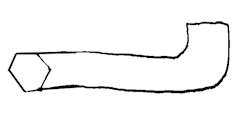 |
A | |
| 3 | ㇑ | Shù U+31D1 | S |
竖 | Staff (for walking) | 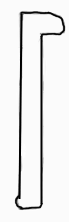 |
E | |
| 4 | ㇒ | Piě U+31D2 | WT |
撇 | Spicy Pepper | 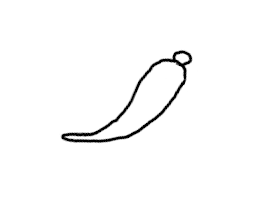 |
U | |
| 5 | ㇏ | Nà U+31CF | P |
捺 | Golf Club | 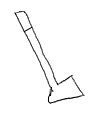 |
W | |
| 6 | ㇀ | Tí U+31C0 | UP |
提 | Shooting Star | 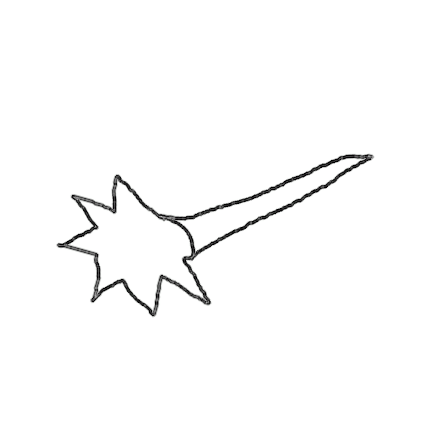 |
X |
Hooks
| # | Stroke | Technical Name | Alternative | Mnemonic | Picture | Comment | Letter |
|---|---|---|---|---|---|---|---|
| 7 | ㇚ | Shù Gōu U+31DA | SJ |
竖钩 | Litter Picker Stick | 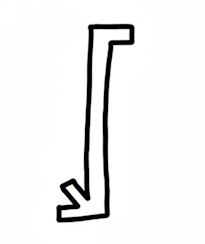 |
Z | |
| 8 | ㇖ | Héng Gōu U+31D6 | HJ |
横钩 | Picture Frame Part | 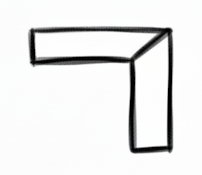 |
The down stroke is drawn slightly diagonal leftwards. | Y |
| 9 | ㇁ | Wān Gōu U+31C1 | WJ |
弯钩 | Saxophone | 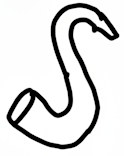 |
V | |
| 10 | ㇂ | Xié Gōu U+31C2 | XJ |
斜钩 | Baguette | 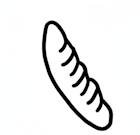 |
B | |
| 11 | ㇢ | Wò Gōu U+31E2 | WòJ |
卧钩 | Hockey Stick |  |
J |
Turns & Compounds
| # | Stroke | Technical Name | Alternative | Mnemonic | Picture | Comment | Letter |
|---|---|---|---|---|---|---|---|
| 12 | ㇕ | Héng Shù U+31D5 | HS |
横折 | Shelf Bracket | 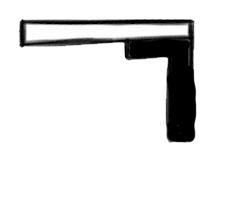 |
SH | |
| 13 | ㇗ | Shù Zhé U+31D7 | SZ |
竖折 | Dachsund Dog | 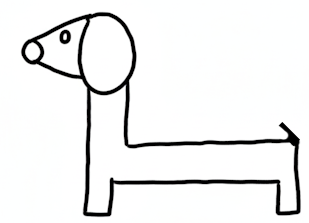 |
G | |
| 14 | ㇇ | Héng Piě U+31C7 | HWT |
横撇 | Opened Sardine Can | 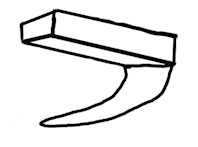 |
D | |
| 15 | ㇙ | Shù Tí U+31D9 | SUP |
竖提 | Slug | 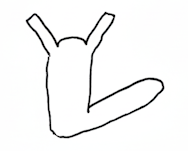 |
N | |
| 16 | ㇛ | Piě Diǎn U+31DB | PD |
撇点 | Boomerang | 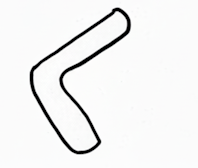 |
S | |
| 17 | ㇄ | Shù Wān U+31C4 | SW |
竖弯 | Weighing Scales | 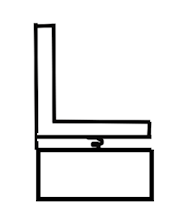 |
C | |
| 18 | ㇓ | Wān Piě U+31D3 | WWT |
弯撇 | Used Nail | 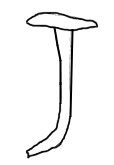 |
T |
Complex Compounds
| # | Stroke | Technical Name | Alternative | Mnemonic | Picture | Comment | Letter |
|---|---|---|---|---|---|---|---|
| 19 | ㇟ | Shù Wān Gōu U+31DF | SWJ |
竖弯钩 | Yoga Stretcher 1 | 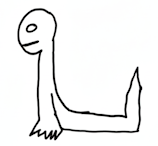 |
F | |
| 20 | ㇆ | Héng Shù Gōu U+31C6 | HSJ |
横折钩 | Coat Peg Wood | 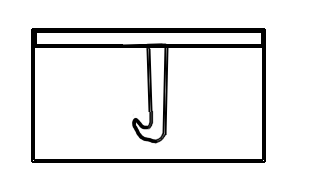 |
L | |
| 21 | ㇈ | Héng Shù Wān Gōu U+31C8 | HSWJ |
横折弯钩 | Usherette Tray | 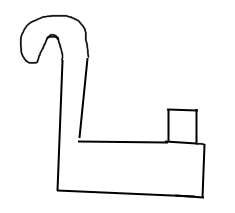 |
CH | |
| 22 | ㇌ | Héng Piě Wān Gōu U+31CC | HWTWJ |
横撇弯钩 | Unfurled Handkerchief | 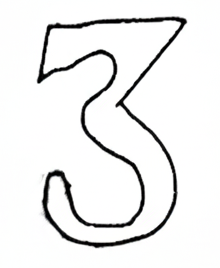 |
H | |
| 23 | ㇋ | Héng Shù Zhé Piě U+31CB | HSZWT |
横折折撇 | Seagull | 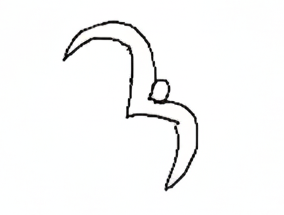 |
R | |
| 24 | ㇎ | Héng Shù Zhé Zhé U+31CE | HSZZ |
横折折折 | Portable stairs | 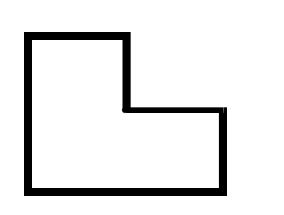 |
M | |
| 25 | ㇞ | Shù Zhé Zhé U+31DE | SZZ |
竖折折 | Diver ready to jump | 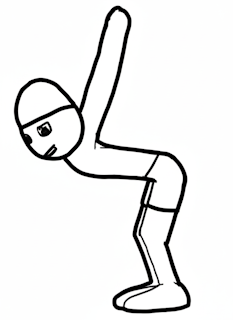 |
P | |
| 26 | ㇜ | Shù Zhé Piě U+31DC | SZWT |
竖折撇 | Advert Board | 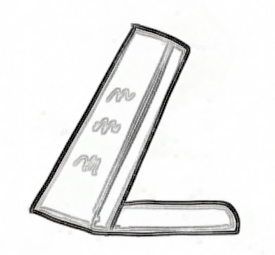 |
Q | |
| 27 | ㇍ | Héng Shù Wān U+31CD | HSW |
横折弯 | Bib | 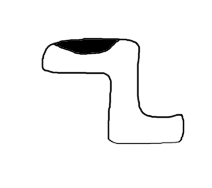 |
K | |
| 28 | ㇃ | Biǎn Xié Gōu U+31C3 | BXJ |
扁斜钩 | Smoking pipe | 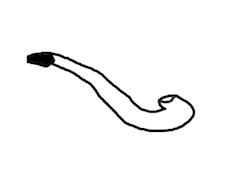 |
TH | |
| 29 | ㇅ | Shù Zhé Zhé Gōu U+31C5 | SZZJ |
竖折折钩 | Scooter | 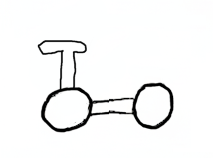 |
ZH | |
| 30 | ㇡ | Héng Shù Zhé Gōu U+31E1 | HSZJ |
横折折钩 | Acrobat | 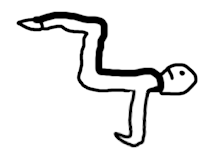 |
O | |
| 31 | ㇊ | Héng Shù Tí U+31CA | HSUP |
横折提 | Snake | 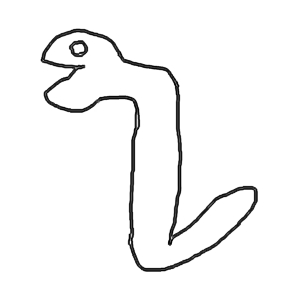 |
Extra 1 |
I think that the action should be performed from right-to-left because I am using the left-to-right direction for learning vocabulary rather than brush strokes. The colour of the action could be one colour to mean that the action is intended to be interpreted as a radical [red]; but use green to mean that it is meant to be an AA-ZZ two brush stroke combination. A-Z can have actions too based on the alphabet images from the first AA to ZZ article. Sometimes, actions are not needed: just picturing the image for a word beside the images for its component parts can suffice; but I like the idea that an action joins pieces together: I think that this is more memorable.
Note that the recipient of the action might not be an AA-ZZ brush stroke hero but instead be a visual that means a 'component'. I am looking at the Ancient Greece 366 people system for those. Alternatively, the recipient of an action could be another radical Woman 1000 character.
Special People to represent the Component symbols
Since each brush stroke has a matching visual item such as a yoga stretcher, I can have a person or creature that always represents a particular Component symbol; and I can imagine him/her with some visuals near him/her that represent some of the brush strokes needed to draw the Chinese symbol of that Component item. E.g. The yoga stretching person might be to the side of the component person if the 'yoga' brush stroke is needed to draw the component character.
I could create a new 366 (or more) person system where the first letter of the Component (e.g. P of "Person" compound) dictates that I have to imagine a particular type of outfit. P necessitates a jockey outfit because the 50 Outfits article associates 'P' with a jockey outfit. Therefore, I have an increased ability to remember the correct visual person/creature that corresponds with the Component character 'Person'.
I can have a particular uniformed person who has, to his side, a walking stick and who on the other side he has a spicy pepper; this is because those are the two visuals and stroke order of the strokes needed to draw "Person".
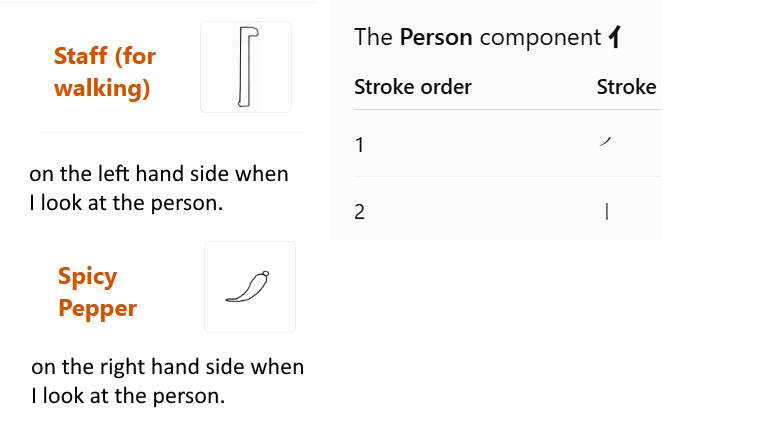
Or maybe a radical character's person from the Woman 1000 system could be imagined if that shape is part of how one should draw a component; but if, through history, that radical shape no longer looks much like the way it is used in the component then I might just use single stroke visuals even if they only draw a small part of the overall Component item. I am still debating this because it is nice to know the history of a character but surely the mnemonic aid should be a quick way to be able to draw the character as it is nowadays [in whichever Chinese writing method you choose: Traditional or Simplified].
I would probably call the 'Person' Component visual something like "Mr Person" [substitute 'Person' with the name of the component].
214 Kangxi Radicals
I wanted to see how the radicals would be described in terms of their components: the components from the 366 row table above as well as the standard 214 radicals in their regular drawn shapes. Again, despite seeing the components, they often go through changes before being the final shape. I used AI to help me with this work; so I can't guarantee it is strong work. Note that square brackets are references to the table higher up this article but round brackets refer to radical standard numbering from 1 to 214:
| Index | Traditional | Simplified | English | Pinyin | Composition |
|---|---|---|---|---|---|
| 1 | 一 | 一 | one | yī | |
| 2 | 丨 | 丨 | line | gǔn | |
| 3 | 丶 | 丶 | dot | zhǔ | |
| 4 | 丿 | 丿 | slash | piě | 乀[4] 乁[4] |
| 5 | 乙 | 乙 | second | yǐ | 乚[5] |
| 6 | 亅 | 亅 | hook | jué | |
| 7 | 二 | 二 | two | èr | |
| 8 | 亠 | 亠 | lid | tóu | |
| 9 | 人 | 人 | person | rén | 亻[1] |
| 10 | 儿 | 儿 | legs | ér | |
| 11 | 入 | 入 | enter | rù | |
| 12 | 八 | 八 | eight | bā | 丷[12] |
| 13 | 冂 | 冂 | down box | jiōng | |
| 14 | 冖 | 冖 | cover | mì | |
| 15 | 冫 | 冫 | ice | bīng | |
| 16 | 几 | 几 | table | jǐ | |
| 17 | 凵 | 凵 | open box | qiǎn | |
| 18 | 刀 | 刀 | knife | dāo | 刂[2] ⺈[4] |
| 19 | 力 | 力 | power | lì | |
| 20 | 勹 | 勹 | wrap | bāo | |
| 21 | 匕 | 匕 | spoon | bǐ | |
| 22 | 匚 | 匚 | right open box | fāng | |
| 23 | 匸 | 匸 | hiding enclosure | xì | |
| 24 | 十 | 十 | ten | shí | |
| 25 | 卜 | 卜 | divination | bǔ | |
| 26 | 卩 | 卩 | seal | jié | |
| 27 | 厂 | 厂 | cliff | chǎng | |
| 28 | 厶 | 厶 | private | sī | |
| 29 | 又 | 又 | again | yòu | 𠂇[10] |
| 30 | 口 | 口 | mouth | kǒu | |
| 31 | 囗 | 囗 | enclosure | wéi | |
| 32 | 土 | 土 | earth | tǔ | |
| 33 | 士 | 士 | scholar | shì | |
| 34 | 夂 | 夂 | go | zhǐ | |
| 35 | 夊 | 夊 | go slowly | suī | |
| 36 | 夕 | 夕 | evening | xī | |
| 37 | 大 | 大 | big | dà | |
| 38 | 女 | 女 | woman | nǚ | |
| 39 | 子 | 子 | child | zǐ | |
| 40 | 宀 | 宀 | roof | mián | |
| 41 | 寸 | 寸 | inch | cùn | |
| 42 | 小 | 小 | small | xiǎo | ⺌[42] ⺍[42] |
| 43 | 尢 | 尢 | lame | wāng | |
| 44 | 尸 | 尸 | corpse | shī | |
| 45 | 屮 | 屮 | sprout | chè | |
| 46 | 山 | 山 | mountain | shān | |
| 47 | 川 | 川 | river | chuān | 巛[47] |
| 48 | 工 | 工 | work | gōng | |
| 49 | 己 | 己 | oneself | jǐ | |
| 50 | 巾 | 巾 | towel | jīn | |
| 51 | 干 | 干 | dry | gān | |
| 52 | 幺 | 幺 | youngest | yāo | |
| 53 | 广 | 广 | shelter | guǎng | |
| 54 | 廴 | 廴 | stride | yǐn | |
| 55 | 廾 | 廾 | hands joined | gǒng | |
| 56 | 弋 | 弋 | shoot with bow | yì | |
| 57 | 弓 | 弓 | bow | gōng | |
| 58 | 彐 | 彐 | snout | jì | 彑[58] |
| 59 | 彡 | 彡 | hair | shān | |
| 60 | 彳 | 彳 | step | chì | |
| 61 | 心 | 心 | heart | xīn | 忄[61] |
| 62 | 戈 | 戈 | spear | gē | |
| 63 | 戶 | 户 | door | hù | |
| 64 | 手 | 手 | hand | shǒu | 扌[64] 才[64] |
| 65 | 支 | 支 | branch | zhī | |
| 66 | 攴 | 攴 | rap | pū | 攵[66] |
| 67 | 文 | 文 | script | wén | |
| 68 | 斗 | 斗 | vessel | dǒu | |
| 69 | 斤 | 斤 | axe | jīn | |
| 70 | 方 | 方 | square | fāng | |
| 71 | 无 | 无 | not | wú | |
| 72 | 日 | 日 | sun | rì | |
| 73 | 曰 | 曰 | say | yuē | |
| 74 | 月 | 月 | moon | yuè | |
| 75 | 木 | 木 | tree | mù | |
| 76 | 欠 | 欠 | lack | qiàn | |
| 77 | 止 | 止 | stop | zhǐ | |
| 78 | 歹 | 歹 | death | dǎi | |
| 79 | 殳 | 殳 | weapon | shū | |
| 80 | 母 | 母 | mother | mǔ | |
| 81 | 比 | 比 | compare | bǐ | |
| 82 | 毛 | 毛 | fur | máo | |
| 83 | 氏 | 氏 | clan | shì | |
| 84 | 气 | 气 | steam | qì | |
| 85 | 水 | 水 | water | shuǐ | 氵[85] 氺[85] |
| 86 | 火 | 火 | fire | huǒ | 灬[86] |
| 87 | 爪 | 爪 | claw | zhǎo | 爫[5] |
| 88 | 父 | 父 | father | fù | |
| 89 | 爻 | 爻 | trigram lines | yáo | |
| 90 | 爿 | 爿 | half tree trunk | pán | |
| 91 | 片 | 片 | slice | piàn | |
| 92 | 牙 | 牙 | tooth | yá | |
| 93 | 牛 | 牛 | cow | niú | 牜[93] ⺧[93] |
| 94 | 犬 | 犬 | dog | quǎn | 犭[94] |
| 95 | 玄 | 玄 | profound | xuán | |
| 96 | 王 | 王 | king / jade | wáng | |
| 97 | 瓜 | 瓜 | melon | guā | |
| 98 | 瓦 | 瓦 | tile | wǎ | |
| 99 | 甘 | 甘 | sweet | gān | |
| 100 | 生 | 生 | life | shēng | |
| 101 | 用 | 用 | use | yòng | |
| 102 | 田 | 田 | field | tián | |
| 103 | 疋 | 疋 | foot | pǐ | |
| 104 | 疒 | 疒 | sick | nè | |
| 105 | 癶 | 癶 | footsteps | bō | |
| 106 | 白 | 白 | white | bái | |
| 107 | 皮 | 皮 | skin | pí | |
| 108 | 皿 | 皿 | dish | mǐn | |
| 109 | 目 | 目 | eye | mù | |
| 110 | 矛 | 矛 | spear | máo | |
| 111 | 矢 | 矢 | arrow | shǐ | |
| 112 | 石 | 石 | stone | shí | |
| 113 | 示 | 示 | spirit / show | shì | 礻(113) |
| 114 | 禸 | 禸 | track | róu | |
| 115 | 禾 | 禾 | grain | hé | |
| 116 | 穴 | 穴 | cave | xué | |
| 117 | 立 | 立 | stand | lì | |
| 118 | 竹 | 竹 | bamboo | zhú | |
| 119 | 米 | 米 | rice | mǐ | |
| 120 | 糸 | 糸 | silk | mì | 纟(120) |
| 121 | 缶 | 缶 | jar | fǒu | |
| 122 | 网 | 网 | net | wǎng | 罒(122) |
| 123 | 羊 | 羊 | sheep | yáng | |
| 124 | 羽 | 羽 | feather | yǔ | |
| 125 | 老 | 老 | old | lǎo | 耂(125) |
| 126 | 而 | 而 | and / beard | ér | |
| 127 | 耒 | 耒 | plow | lěi | |
| 128 | 耳 | 耳 | ear | ěr | |
| 129 | 聿 | 聿 | brush | yù | 𦘒[8] |
| 130 | 肉 | 肉 | meat | ròu | |
| 131 | 臣 | 臣 | minister | chén | |
| 132 | 自 | 自 | self | zì | |
| 133 | 至 | 至 | arrive | zhì | |
| 134 | 臼 | 臼 | mortar | jiù | 𦥑[11] |
| 135 | 舌 | 舌 | tongue | shé | |
| 136 | 舛 | 舛 | oppose | chuǎn | |
| 137 | 舟 | 舟 | boat | zhōu | |
| 138 | 艮 | 艮 | stop | gèn | |
| 139 | 色 | 色 | color | sè | |
| 140 | 艸 | 艸 | grass | cǎo | 䒑[6] 𰀉[9] |
| 141 | 虍 | 虍 | tiger | hū | |
| 142 | 虫 | 虫 | insect | chóng | |
| 143 | 血 | 血 | blood | xuè | |
| 144 | 行 | 行 | walk | xíng | |
| 145 | 衣 | 衣 | clothing | yī | 衤(145) |
| 146 | 襾 | 襾 | cover | yà | |
| 147 | 見 | 見 | see | jiàn | 见(147) |
| 148 | 角 | 角 | horn | jiǎo | |
| 149 | 言 | 言 | speech | yán | 讠(149) |
| 150 | 谷 | 谷 | valley | gǔ | |
| 151 | 豆 | 豆 | bean | dòu | |
| 152 | 豕 | 豕 | pig | shǐ | |
| 153 | 豸 | 豸 | badger | zhì | |
| 154 | 貝 | 貝 | shell / money | bèi | 贝(154) |
| 155 | 赤 | 赤 | red | chì | |
| 156 | 走 | 走 | run | zǒu | |
| 157 | 足 | 足 | foot | zú | |
| 158 | 身 | 身 | body | shēn | |
| 159 | 車 | 車 | cart | chē | 车(159) |
| 160 | 辛 | 辛 | bitter | xīn | |
| 161 | 辰 | 辰 | morning | chén | |
| 162 | 辵 | 辵 | walk | chuò | 辶(162) |
| 163 | 邑 | 邑 | city / town | yì | 阝(163) |
| 164 | 酉 | 酉 | wine / 10th earthly branch | yǒu | |
| 165 | 釆 | 釆 | distinguish | biàn | |
| 166 | 里 | 里 | village | lǐ | |
| 167 | 金 | 金 | metal / gold | jīn | 钅(167) |
| 168 | 長 | 長 | long | cháng | 长(168) |
| 169 | 門 | 門 | gate | mén | 门(169) |
| 170 | 阜 | 阜 | mound | fù | 阝(170) |
| 171 | 隶 | 隶 | catch / slave | dài | |
| 172 | 隹 | 隹 | short-tailed bird | zhuī | |
| 173 | 雨 | 雨 | rain | yǔ | |
| 174 | 青 | 青 | blue / green | qīng | |
| 175 | 非 | 非 | wrong / not | fēi | |
| 176 | 面 | 面 | face | miàn | |
| 177 | 革 | 革 | leather | gé | |
| 178 | 韋 | 韋 | tanned leather | wéi | 韦(178) |
| 179 | 韭 | 韭 | leek | jiǔ | |
| 180 | 音 | 音 | sound | yīn | |
| 181 | 頁 | 頁 | page / head | yè | 页(181) |
| 182 | 風 | 風 | wind | fēng | 风(182) |
| 183 | 飛 | 飛 | fly | fēi | 飞(183) |
| 184 | 食 | 食 | food / eat | shí | 饣(184) |
| 185 | 首 | 首 | head | shǒu | |
| 186 | 香 | 香 | fragrant | xiāng | |
| 187 | 馬 | 馬 | horse | mǎ | 马(187) |
| 188 | 骨 | 骨 | bone | gǔ | |
| 189 | 高 | 高 | tall | gāo | |
| 190 | 髟 | 髟 | hair | biāo | |
| 191 | 鬥 | 鬥 | fight | dòu | |
| 192 | 鬯 | 鬯 | sacrificial wine | chàng | |
| 193 | 鬲 | 鬲 | cauldron | lì | |
| 194 | 鬼 | 鬼 | ghost | guǐ | |
| 195 | 魚 | 魚 | fish | yú | 鱼(195) |
| 196 | 鳥 | 鳥 | bird | niǎo | 鸟(196) |
| 197 | 鹵 | 鹵 | salt | lǔ | |
| 198 | 鹿 | 鹿 | deer | lù | |
| 199 | 麥 | 麥 | wheat | mài | 麦(199) |
| 200 | 麻 | 麻 | hemp | má | |
| 201 | 黃 | 黃 | yellow | huáng | 黄(201) |
| 202 | 黍 | 黍 | millet | shǔ | |
| 203 | 黑 | 黑 | black | hēi | |
| 204 | 黹 | 黹 | embroidery | zhǐ | |
| 205 | 黽 | 黽 | frog | měng | |
| 206 | 鼎 | 鼎 | tripod | dǐng | |
| 207 | 鼓 | 鼓 | drum | gǔ | |
| 208 | 鼠 | 鼠 | rat | shǔ | |
| 209 | 鼻 | 鼻 | nose | bí | |
| 210 | 齊 | 齊 | even / neat | qí | 齐(210) |
| 211 | 齒 | 齒 | tooth | chǐ | 齿(211) |
| 212 | 龍 | 龍 | dragon | lóng | 龙(212) |
| 213 | 龜 | 龜 | turtle | guī | 龟(213) |
| 214 | 龠 | 龠 | flute | yuè | 竹(118) |
The article about Actions links off to a first list of actions where the actions 001 to 214 are meant to match the radicals of this list. However, when I made that list, the naming convention differed sometimes from what the list above says. So the Actions List 1 article states that radical 4 is named "Left" whereas the list here says that its name is "Slash". Another example is Lean versus 'Shelter' radical (a leaning shelter is the historical association). On the whole though, the names match between the two lists. It seems to me that there are many divegences when studying Chinese!
Two letter Prompt Method 2
'Shānzhài chǎnpǐn' is the name of a knock-off of someone else's product, in Mandarin. If we take the first letter of each word then we get SC; but the AA-ZZ system can accommodate Sh and Ch; so ShCh can be found in the letter pair mnemonic system. The image for ShCh can be imagined in a scene where someone is at a market and sees a knock-off version of a famous brand name handbag.
Unlike the Woman 1000 system or the Male 1000 system, the scene in the market is not part of a set of standard pictures that represent vocabulary: it is a bespoke scene. So, it would make sense to keep a journal of the mnemonic scene and the phrase "Shānzhài chǎnpǐn" and the ShCh association.
A place for a pinyin sound
It would be nice if a loci place could exist for a short pinyin sound; and then items that sound like it could be imagined at that place. You could have a mental revision place for visiting those objects.
There are about 29 starts of pinyin words and about 37 endings of pinyin words. 29 x 37 = 1073. It is quite close to the 30 times table used in the Heroes article for expressing the alphabet from AA to ZZ. If someone can quickly work out a three digit number to match a pinyin [not including tone] then a loci system of 5000 places could use some of its places to represent those spellings WITH tones. Neutral tone would use 0000 to 0999. If the spelling was, as an imaginary example, matched with three digit number 123 then place 0123 would be its loci place. If the tone is tone 1 then add a 1000 and use place 1123. If tone 4 is used then place 4123 is used.
Anyway, it's just an idea.
32 x 32 Actions
The Actions article lists 1000 actions. The table above has 32 brush stroke line items. So a pair of brush strokes could be one of 32 x 32 combinations: 1024. The 1000 actions system could be expanded a little so that there are 1024 actions that can match with any pair of brushs trokes. (I already have a way of associating each action with a letter pair - using a similar letter sequence to the letter sequence used in the 50 Outfits article. That is a repeating use of 30 letters (including CH and SH).)
[My exercise for learning the letter pair of an action is to begin with an animal from the animal 520 system and to imagine it doing an action leftwards or rightwards; and the recipient of the action is an AA-ZZ Hero. 500 Animals can do a rightwards action to help me learn 500 actions; and do a leftward action to help me to learn 500 other actions. It is a way to help me associate numbers 000 to 999 witha ctions as well as associate letter pairs with actions.]
Stories to represent extra vocabulary
If I knew the Woman 1000 system and the Men 1000 systems of person drawings and the dictionary words that they represent then I can imagine a story invoving that person and the detail of the store would really be clues about which brush strokes to use to draw the Chinese character for that word.
I talked about brush strokes, combinations of strokes called radicals and combintions of strokes called components.
If a word is not in one of my big vocabulary systems then how can you have a visual that represents the word (for you to use at the start of a story)? Maybe use the approach I suggested for components: take the first letter of the word and find its matching outfit; then create a unique image of a person in that uniform - who represents the vocabulary word. And the person could have a narrative line to say: a line that includes the vocabulary word; so whatever happens int he story, the narratiion line would refer to that activity but also use the vocabulary word.
Prz in Polish
It is nice the way I can turn a letter pair into a many letter pinyin word; that is done, above, by mapping a particular letter to a combination of letters. With Polish, many words start with Prz or Prze or Przy and I think that a letter pair could engage the first letter to mean Prz. If X means Przed, Y means Przy and Q means Prze, for example then a letter pair starting with Y would often be intended to mean Przy...